
Commercial & Care
Cabinet Hardware Installation & Replacement in Lexington, KY
Lexington Custom Cabinets installs and replaces cabinet hardware for homeowners who want existing cabinetry to feel more refined, coordinated, and intentional. We help select pulls, knobs, hinges, and drawer hardware that suit the door style, finish, scale, and overall character of the room, then install everything with consistent spacing and alignment.
Request a free quote
Tell us the room and rough size.
Cabinet Hardware Lexington KY
Hardware is one of the smallest details in a cabinet project and one of the most visible. The right pull length, finish, and placement can sharpen a traditional kitchen, make painted cabinetry feel more current, or give natural wood a quieter, more architectural look. We can work from samples and finish families so the hardware coordinates with faucets, lighting, appliances, and surrounding millwork instead of looking like an isolated upgrade.
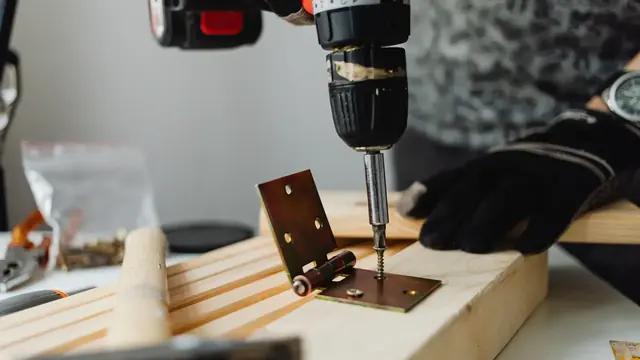
Installation is planned around the cabinetry that is already there. We verify door and drawer proportions, existing hole spacing, hinge type, overlay, and the weight of larger fronts before drilling anything new. Where the goal includes soft-close operation, smoother drawers, or concealed hinges, we can evaluate those upgrades at the same time so the improvement is both visual and functional.
In Lexington's established neighborhoods, existing kitchens and built-ins can range from traditional face-frame work to later remodels and newer builder cabinetry. That means hardware choices often need to respect the age and style of the room rather than simply follow a current trend. We aim for a finished result that looks chosen for the cabinetry, not added afterward.
Hardware Types We Install
Knobs
Single-fixing, simplest to install, and traditional on doors with pulls reserved for drawers.
Bar and Cup Pulls
Two-fixing hardware requiring accurate centre spacing. Cup pulls are traditional on drawers; bar pulls suit contemporary kitchens.
Continuous and Edge Pulls
Long linear pulls or integrated edge profiles, common in modern slab-door kitchens and easier to grip than knobs.
Appliance Pulls
Heavier hardware for refrigerator and dishwasher panels, which take considerably more force than a cabinet door.
Latches and Catches
Traditional latches on inset doors, plus magnetic and push catches where no visible hardware is wanted.
Hinge and Glide Upgrades
Soft-Close Hinge Upgrades
Replacing standard or old surface hinges with concealed soft-close. Changes how a kitchen feels to use more than new pulls do.
Full-Extension Glide Upgrades
Replacing partial-extension glides so the back of every drawer becomes reachable.
Undermount Glide Conversion
Moving from side-mount to undermount where the drawer box permits, which frees interior width and looks far cleaner.
Old Hole Plugging
Where new hardware uses different spacing, old holes are plugged with matching material and refinished rather than left visible behind the new pull.
Consistent Jig Setting
A drilling jig referenced from a consistent datum on every door, which is what makes a run read as deliberate.
Hardware Finishes and Styles
Hardware finish is worth choosing for wear rather than only for looks. Unlacquered brass will patina with handling, which some people want and others do not expect. Matte black shows fingerprints less than polished chrome but can wear at the grip point over years. Satin nickel and stainless are the most forgiving. Mixing finishes across a kitchen works if it is deliberate and consistent, such as one finish on cabinetry and another on plumbing, and looks accidental if it is not.
Hardware Upgrades Across Lexington Cabinet Styles
Hardware work changes with the cabinetry it is going into. Older Lexington face-frame cabinets can have exposed hinges, nonstandard boring, or pulls added in several different eras, so we measure every door and drawer before assuming a new pattern will cover the old one. That is especially important when the existing finish is staying and there is no easy way to hide a misplaced hole.
Newer kitchens are usually more straightforward, but the upgrade can still be meaningful: concealed soft-close hinges, full-extension undermount glides, and pulls sized to wide drawers make a builder cabinet feel very different in daily use. We also coordinate hardware with refacing and refinishing so the new spacing, finish, and proportions are decided before surfaces are repaired or sprayed.
Before We Install Your Hardware
Getting hardware right is mostly about measuring before anything is bought. We check:
- Existing centre-to-centre spacing, before you purchase replacement pulls
- Whether old holes will be covered by the new hardware or need plugging and refinishing
- Door and drawer front thickness, since screw lengths must suit
- Whether hinges and glides are also being upgraded at the same time, which is efficient
- Handedness and swing on every door, so pulls are consistently positioned
- Whether appliance panels need heavier hardware than the cabinetry
How Your Hardware Project Works
Measure existing spacing
We check what is currently fitted before you buy anything, because centre spacing determines whether old holes can be reused.
Confirm positions
We agree pull positions on doors and drawers and set a jig datum so every one is placed identically.
Plug and prepare
Where spacing is changing, old holes are plugged with matching material and refinished before new holes are drilled.
Install and check
Hardware fitted, and every door and drawer checked and adjusted afterwards, since removing and refitting doors is a chance to square them up.
Choosing Hardware by Door, Drawer, and Daily Use
The same pull does not belong everywhere. Wide pot drawers need enough grip to open comfortably under load, small upper doors can carry lighter hardware, and appliance panels need fasteners and handles suited to their weight. We lay out hardware by the proportions and use of each front rather than placing one size everywhere because it came in the same finish.
Hinges and glides matter just as much as visible hardware. When doors sag, drawers bind, or soft-close mechanisms have failed, we identify the existing construction and replacement options before drilling anything new. That keeps a cosmetic upgrade from masking a mechanical problem.
Common questions
Cabinet Hardware FAQs
Can I reuse my existing hardware holes?
Why does hardware need a drilling jig?
Should knobs or pulls go on doors?
Is upgrading hinges worth it at the same time?
Can you fit heavier hardware to appliance panels?
Get a quote on cabinet hardware
Send a photo of your existing hardware and a measurement between the screw centres. That tells us whether the holes can be reused.