Kitchen & Bath
Custom Coffee Bar & Beverage Station Cabinetry in Lexington, KY
Lexington Custom Cabinets designs and builds custom coffee bars and beverage stations for homeowners who want appliances, cups, glassware, supplies, and serving space organized into cabinetry that looks intentional in the room. We create built-in coffee walls, dry beverage stations, appliance garages, breakfast niches, bar-adjacent storage, and compact hospitality zones around the way you want to use them.
Request a free quote
Tell us the room and rough size.
Custom Coffee Bar Cabinetry Lexington KY
These spaces can be designed to blend quietly with the kitchen or stand apart as a feature. Painted cabinetry, natural white oak, walnut, contrasting interiors, glass doors, open shelving, stone or wood counters, and statement hardware can all establish a distinct look. We review finishes with the surrounding kitchen, flooring, lighting, and nearby millwork so the station feels connected rather than added later.
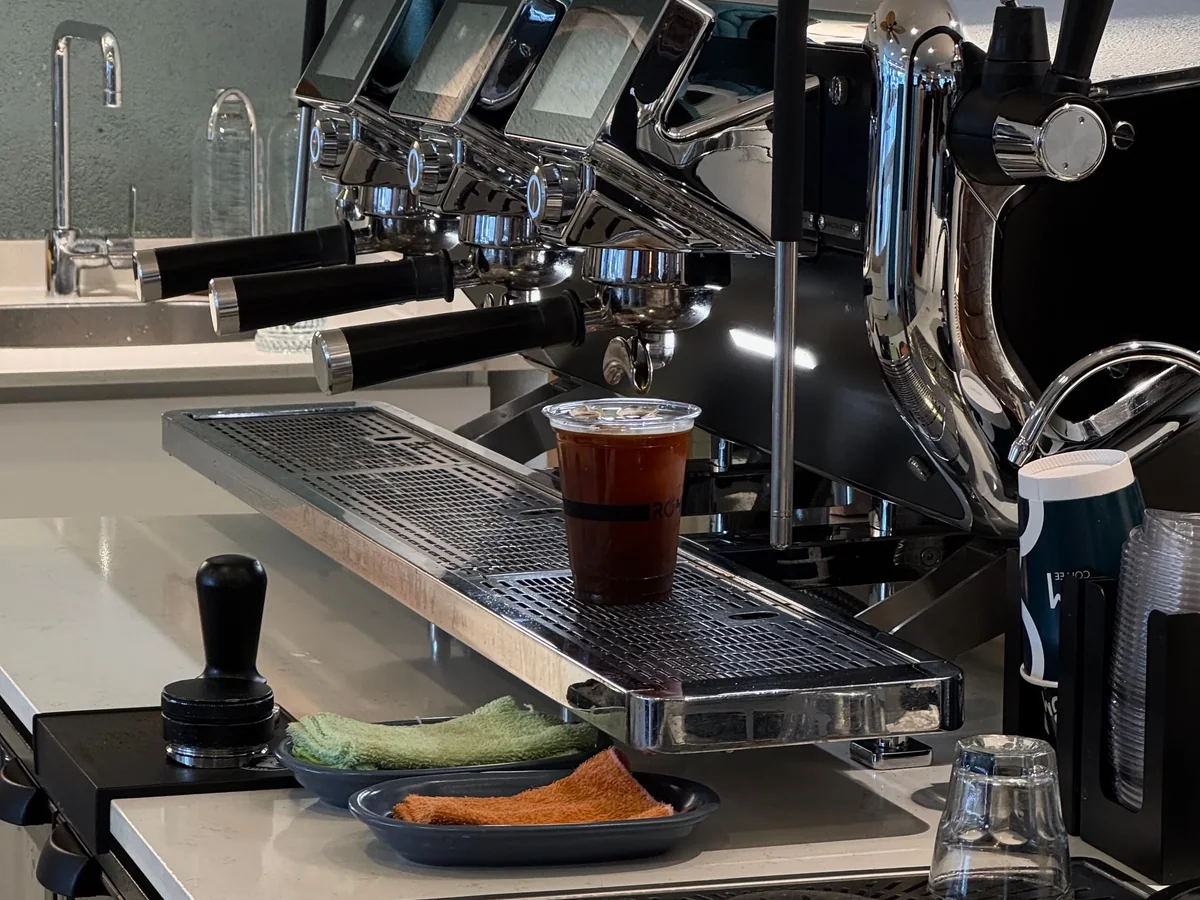
Function is planned around the actual equipment and routine. Espresso machines, grinders, kettles, undercounter refrigeration, mugs, syrups, coffee storage, small appliances, and serving pieces can each be given a proper place while keeping the work surface clear. Power, ventilation, appliance clearances, lighting, and concealed storage are coordinated before fabrication.
In Lexington's older kitchens and dining rooms, a beverage station may need to fit a former pantry wall, alcove, or secondary room without disturbing existing trim. In newer open-plan homes, it can pull beverage traffic away from the main kitchen work zone while adding a tailored architectural feature.
Types of Beverage Stations We Build
Appliance Garage Stations
A counter-level cubby with a pocket or tambour door that conceals the machine when it is not in use. Needs ventilation and a pull-out tray.
Open Coffee Nooks
A dedicated counter run with open shelving above. Simpler, cheaper, and better ventilated than a closed garage.
Butler's Pantry Beverage Runs
A full secondary run between kitchen and dining, often combining coffee with a beverage refrigerator and glass storage.
Built-In Espresso Bays
For plumbed-in machines, which need a supply line and usually a dedicated circuit. Trade coordination required.
Compact Cabinet Stations
A single tall unit that closes completely, for a kitchen where there is no spare counter run to give.
Coffee Bar Features and Accessories
Pull-Out Appliance Trays
A heavy-duty sliding shelf that brings the machine out of the cabinet before use. This is the detail that makes a garage workable.
Pocket and Tambour Doors
Doors that slide back into the cabinet rather than swinging into the room, so they can stay open during use.
Mug and Cup Storage
Open shelving or a shallow drawer sized to your mugs. Mugs are one of the few things genuinely better on open display than behind a door.
Bean and Pod Drawers
Shallow divided drawers at counter level, within reach of the machine rather than across the kitchen.
Integrated Outlets and Ventilation
Outlets inside the garage, wired by a licensed electrician, plus a vented back panel so steam and heat have somewhere to go.
Door, Drawer and Appliance Garage Options
Pocket Doors
Slide back into the cabinet body on runners. The best solution for a garage, and the most expensive.
Tambour Doors
A slatted roll-up door. Traditional, takes less internal depth than a pocket door, and reads well in a period kitchen.
Bi-Fold and Flip-Up
Cheaper alternatives that get the door out of the way vertically. Fine where the machine is short.
Open Front
No door at all. Honest, cheapest, best ventilated, and often the right recommendation for a machine used several times a day.
Coffee Bar Materials and Finishes
The area around a coffee machine takes heat, steam, and staining from coffee and milk, so surface durability matters more than in most cabinetry. Maple with a sprayed catalyzed finish handles it best among the painted options. Quartz is the most forgiving counter surface, since coffee will stain unsealed natural stone. Inside an appliance garage we use a hard-wearing finish on all faces including the underside of the shelf above, because that is the surface steam actually attacks. A wood counter in a coffee station is a bad idea and we will say so.
Coffee Bar Design Directions
Integrated Kitchen Run
Matching the surrounding cabinetry so the station reads as part of the kitchen rather than an addition.
Contrast Nook
A different finish or a tiled back panel that marks the station out deliberately. Suits a larger kitchen where a matching run would disappear.
Butler's Pantry Station
Combined with a beverage refrigerator and glass storage in a secondary run, common in the larger houses we work in.
Café Style
Open shelving, exposed mugs, a tiled surround, and visible machinery. Reads warm rather than concealed.
Before We Build Your Coffee Station
Coffee stations are small projects that go wrong in predictable ways, almost all of them about the machine rather than the cabinetry. We confirm:
- The exact machine, including its height with the lid or hopper fully open
- Whether it is plumbed or fill-by-hand, since plumbed machines need a supply line
- Available circuits, because a high-draw espresso machine can need its own
- Counter depth available, since a pull-out tray needs the machine to clear the face fully
- Where the steam will go, which decides whether a closed garage is viable at all
- Mug and bean storage volume, which is usually underestimated
How Your Coffee Bar Project Works
Measure and specify the machine
We start with the appliance, because its height with the lid open sets the garage dimension and most people measure it closed.
Drawings and samples
A plan to your dimensions plus finish samples, with the garage interior specified as carefully as the exterior.
Field verify
Machine dimensions, circuits, counter depth, and ventilation route confirmed before fabrication.
Build, finish, install
Built and finished off site, then set and scribed. We test the pull-out tray with the actual machine before calling it done.
Common questions
Custom Coffee Bar FAQs
Will steam damage an appliance garage?
What size should a coffee station be?
Pocket door or tambour?
Do I need an electrician for a coffee bar?
Is an appliance garage always worth it?
Get a quote on your coffee station
Tell us which machine you use and where the station is going. The machine dimensions drive the whole design, so that is where we start.