
Home Organization
Custom Home Gym Storage Cabinetry in Lexington, KY
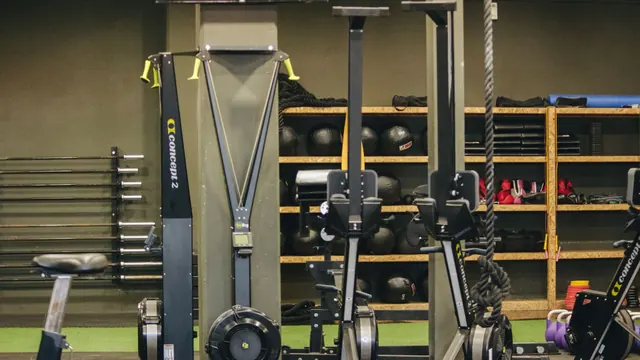
Lexington Custom Cabinets designs and builds custom home-gym storage cabinetry for homeowners who want equipment, towels, accessories, media, and recovery gear organized into a room that feels finished rather than improvised. We create full-wall storage, lockers, open cubbies, drawer bases, bench seating, display shelving, and concealed cabinets around the training style and visual direction you want.
Request a free quote
Tell us the room and rough size.
Home Gym Storage Cabinetry Lexington KY
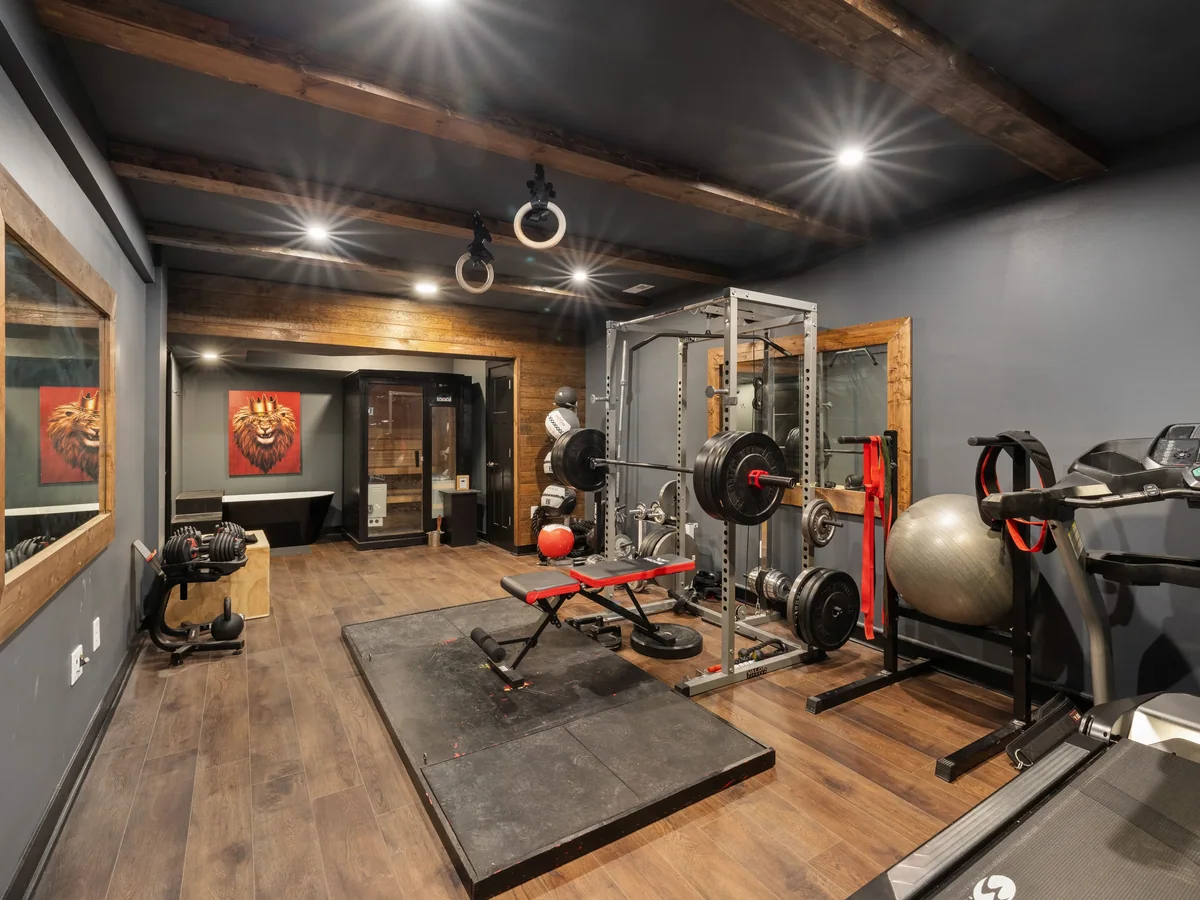
A home gym can be sleek and minimal, warm and residential, or more performance-oriented without looking like commercial locker-room casework. Painted slab fronts, natural wood, dark finishes, open shelving, integrated mirrors, metal accents, and concealed lighting can all be used to connect the cabinetry to the flooring, wall treatment, and equipment in the room. We review those choices together so the storage becomes part of the design.
Planning is based on the equipment and routines you actually use. Dumbbells, plates, bands, yoga gear, mats, towels, shoes, recovery tools, media, and cleaning supplies each need different storage. The cabinetry is positioned to keep the workout zone open, protect circulation, and make frequently used items easy to reach without cluttering the room.
In Lexington, home gyms may occupy a finished basement, bonus room, spare bedroom, or part of a garage. Older homes and newer construction create different ceiling, wall, and storage conditions, so we size the cabinetry to the actual room instead of treating every gym as the same rectangular space.
Types of Gym Storage We Build
Ventilated Locker Bays
Individual bays with louvred or perforated doors for kit, towels, and shoes. Ventilation is what makes them usable long term.
Weight and Plate Storage
Load-rated shelving or vertical plate posts, anchored into structure. Built to the actual weight rather than to a generic shelf rating.
Equipment Walls
A full wall run combining racking for bars, bands, and mats with closed storage for smaller items.
Towel and Linen Storage
Open shelving or ventilated cubbies, deliberately not sealed, positioned away from the damp end of the room.
Media and Utility Cabinets
Enclosed storage for a screen, speakers, and the miscellaneous items that otherwise sit on the floor.
Gym Storage Features and Accessories
Louvred and Perforated Doors
The core detail. Air movement through a closed cabinet prevents the damp-kit problem that ruins sealed gym storage.
Load-Rated Weight Shelving
Shelves sized and supported for real dumbbell and plate loads, anchored into studs rather than drywall anchors.
Vertical Plate and Bar Racking
Bars stored vertically save considerable floor space and are safer than leaning them against a wall.
Mat and Roller Storage
Vertical slots for foam rollers and rolled mats, which otherwise take up floor area permanently.
Wipe-Clean Surfaces
Every exposed surface finished so it can be wiped down with a disinfectant without the finish degrading.
Door, Locker and Shelving Options
Louvred Doors
Traditional and effective. Air moves through, and they read as deliberate rather than industrial.
Perforated Metal Inserts
A more contemporary look with excellent airflow, and easy to wipe down.
Open Bays
No doors, maximum ventilation, minimum cost. The right answer for a gym nobody else sees.
Slab Doors with Gap Detail
Closed appearance with a deliberate gap at top and bottom for airflow, where a tidy look matters.
Gym Storage Materials and Finishes
Plywood boxes throughout, because a gym is a humid environment and furniture board will not recover from it. Finishes need to tolerate repeated wiping with disinfectant, which rules out some softer coatings, so a sprayed catalyzed topcoat is the practical choice. Where a gym is in an unconditioned garage the specification moves closer to our garage build, with all six faces sealed. Shelving carrying weights should be solid hardwood or plywood sized to the span rather than a thin engineered panel, because deflection under a dumbbell load is immediate and permanent.
Home Gym Design Directions
Clean Fitness Studio
Light painted cabinetry, mirror walls, and closed ventilated storage. Reads calm rather than industrial.
Garage Gym
Heavier construction with slatwall, open racking, and a hard-wearing finish, built for an unconditioned space.
Basement Fitness Room
Integrated with the rest of a finished lower level, with cabinetry matching adjacent rooms and a moisture-isolated base.
Multi-Use Room
Storage that closes fully so a gym can also be a guest or media room, with equipment stored out of sight between sessions.
Before We Build Your Gym Storage
Gym cabinetry needs to be planned around the equipment and the room's moisture behaviour, both of which people underestimate. We confirm:
- What equipment is being stored, particularly maximum dumbbell and plate weights
- Ceiling height, which matters for overhead pressing and for tall storage in a basement
- Whether the space is conditioned, below grade, or in an unconditioned garage
- Wall construction and stud positions, since weight shelving must anchor into structure
- Flooring, because rubber matting changes finished heights and equipment positions
- Ventilation in the room itself, not just in the cabinetry
How Your Gym Storage Project Works
Measure and inventory the equipment
We measure the room and record what is actually being stored, because weight capacity drives the build.
Drawings and samples
A layout showing storage zones and load-bearing elements, plus finish samples tested for wipe-down durability.
Field verify
Stud positions, ceiling height, moisture conditions, and flooring confirmed before fabrication.
Build, finish, install
Built and finished off site, then set and anchored into structure. Load-bearing shelving is checked under weight before we leave.
Common questions
Home Gym Storage FAQs
Why does gym storage need ventilation?
How much weight can a storage shelf hold?
Can gym cabinetry go in a basement?
Can I put gym storage in an unconditioned garage?
What finish survives being wiped down constantly?
Get a quote on your gym storage
Tell us what equipment you are storing and whether the room is conditioned. Load and humidity drive the whole specification.