
Home Organization
Custom Craft Room & Hobby Room Cabinets in Lexington, KY
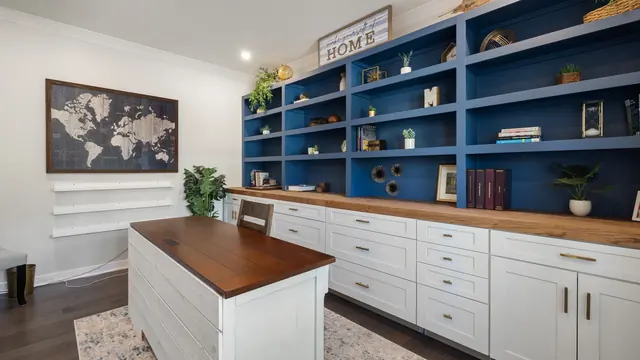
Lexington Custom Cabinets designs and builds custom craft-room and hobby-room cabinetry for homeowners who want supplies, tools, machines, and work surfaces organized around the way they create. We build full-wall storage, drawer banks, cutting tables, wrapping stations, display shelving, concealed machine storage, and mixed open-and-closed cabinetry as a coordinated room rather than a collection of bins and freestanding furniture.
Request a free quote
Tell us the room and rough size.
Custom Craft Room Cabinets Lexington KY
The room can be bright and clean, warm and furniture-like, colorful, traditional, or minimal depending on your taste. Painted cabinetry, natural wood, contrasting work surfaces, glass-front display, open shelving, and carefully chosen hardware can make a highly functional room still feel designed. We review materials and finish samples with the flooring, walls, lighting, and adjoining spaces before finalizing the cabinetry.
Planning is specific to the hobby. Fabric, paper, vinyl, paints, yarn, models, tools, machines, wrapping supplies, or art materials all store differently, and the best work-surface height and depth depend on whether you sit, stand, cut, press, assemble, or sew. We organize storage around those activities so the room supports the work without becoming visually chaotic.
Lexington homes give these rooms different starting points. An older house may use a spare bedroom or enclosed porch with existing trim and irregular wall dimensions; a newer home may have a flex room that is generous in size but completely unfinished as storage. Custom cabinetry lets either setting become a purposeful creative space.
Types of Craft and Hobby Storage We Build
Cutting and Assembly Tables
A full-depth work surface, often freestanding in the room so you can work from all sides on large pieces.
Wall Storage Runs
Base and upper cabinetry with shallow drawers, adjustable shelving, and open display for work in progress.
Vertical Paper and Fabric Storage
Slots sized to standard 12 by 12 inch scrapbook paper or to fabric bolts, stored upright so sheets are not lifted off a stack.
Seated Work Stations
Desk-height surfaces with knee clearance for machine work, drawing, or detail assembly.
Combined Craft and Guest Rooms
Where the room has to serve two purposes, which usually means closed storage and sometimes a Murphy bed in the same elevation.
Craft Room Features and Accessories
Shallow Supply Drawers
Two to four inches deep so contents sit in one visible layer. The single most useful thing in a craft room.
Vertical Paper Slots
Dividers sized to 12 by 12 inch card stock, so sheets pull out individually rather than as a stack.
Ribbon and Spool Racking
Dowel racking for ribbon, thread, and wire, dispensing from the roll rather than tangling in a bin.
Pull-Out Cutting Mats
A mat on a pull-out board that stows away, so the work surface can be used for something else between projects.
Task Lighting and Outlets
Craft work is detail work and needs proper light at the surface. Outlets at the work surface for irons, machines, and cutters, wired by a licensed electrician.
Drawer, Door and Work Surface Options
Shallow Drawer Banks
The dominant element in most craft rooms. Many small drawers beat a few large ones every time.
Glass-Front Uppers
So supplies are visible without opening doors, which genuinely affects whether they get used.
Open Shelving with Baskets
Flexible and cheap, at the cost of looking busy unless the baskets are consistent.
Closed Doors
Where the craft room doubles as a guest room or is visible from a living space, so the room can be shut down between sessions.
Craft Room Materials and Finishes
Craft rooms take glue, paint, ink, and blades, so the work surface is the critical decision. A hard laminate or a sealed hardwood top handles cutting and cleans up from adhesive better than a painted surface, which will mark. Cabinetry itself is usually painted maple or poplar, and lighter interior finishes matter here more than most places because finding a small item in a dark drawer is genuinely harder. Drawer boxes are dovetailed the same as anywhere else, which matters because a drawer of beads or fasteners is heavier than it looks.
Craft Room Design Directions
Bright Studio
Light painted cabinetry, open shelving, glass fronts, and generous task lighting. Reads energetic and makes supplies findable.
Concealed Workroom
Closed cabinetry that shuts the whole room down between sessions, for a space that doubles as a guest room or office.
Sewing and Quilting Focus
Built around a machine station and a large cutting table, with fabric bolt storage and thread racking.
Maker Workshop
A more industrial direction with a hard-wearing surface, slatwall, and tool storage, for woodworking or model making rather than paper crafts.
Before We Build Your Craft Room
Craft rooms need a more detailed inventory conversation than almost any other project, because the storage has to match specific materials. We confirm:
- What you actually make, since paper crafts, sewing, and model making need different storage
- Whether you work standing or seated, which sets every work surface height in the room
- Machine dimensions if a sewing machine, cutter, or press is being built in
- Largest material size, particularly fabric bolt length or paper sheet size
- Whether the room doubles as a guest room or office, which pushes toward closed storage
- Power requirements at the work surface for irons, machines, and heat tools
How Your Craft Room Project Works
Measure and inventory
We measure the room and go through what you actually store, in detail, because generic craft storage does not work.
Drawings and samples
A layout showing drawer depths, surface heights, and specialised storage, plus work surface material samples you can test.
Field verify
Machine dimensions, circuits, and surface heights confirmed against how you actually work before fabrication.
Build, finish, install
Built and finished off site, then set and scribed. Drawer dividers are fitted after you have loaded them, so they land where you need them.
Common questions
Custom Craft Room FAQs
How deep should craft supply drawers be?
What height should a craft work surface be?
Can you build storage for 12 by 12 scrapbook paper?
Can a craft room double as a guest room?
Do I need special lighting in a craft room?
Get a quote on your craft room
Tell us what you make and whether you work standing or seated. Those two answers shape the whole room.