
Commercial & Care
Custom School & Educational Cabinetry in Lexington, KY
Lexington Custom Cabinets designs and builds custom school and educational cabinetry for classrooms, libraries, laboratories, art rooms, offices, reception areas, and shared spaces that need durable storage and a polished institutional finish. We coordinate casework type, materials, hardware, counters, access, age-appropriate storage, and installation around the program of the room rather than treating every learning space the same.
Request a free quote
Tell us the room and rough size.
School Cabinetry Lexington KY
Educational millwork can be durable without looking severe. Painted casework, wood-look or natural-wood accents, clean laminate, solid-surface counters, open cubbies, glazed display, integrated benches, and coordinated hardware can create spaces that feel welcoming while standing up to heavy use. We review finishes and details with the broader interior so the cabinetry supports the school's design standards and identity.
The layout depends on the setting. Early-learning rooms may need lower accessible storage and cubbies, libraries need display and book storage, art rooms need deep drawers and cleanable work surfaces, science rooms need specialized casework, and offices or reception spaces have different privacy and presentation needs. Field verification and shop drawings keep those functions coordinated with utilities and room dimensions.
Lexington educational projects may involve new construction, additions, or renovations to existing facilities. Custom fabrication allows the casework to respond to each room's actual conditions and program while maintaining consistency across a larger project.
Types of Educational Casework We Build
Teacher Walls and Storage
The instructional wall with storage, a work surface, and often display and whiteboard integration.
Student Cubbies and Lockers
Individual bays for coats, bags, and belongings, ventilated where wet clothing is stored.
Library Shelving
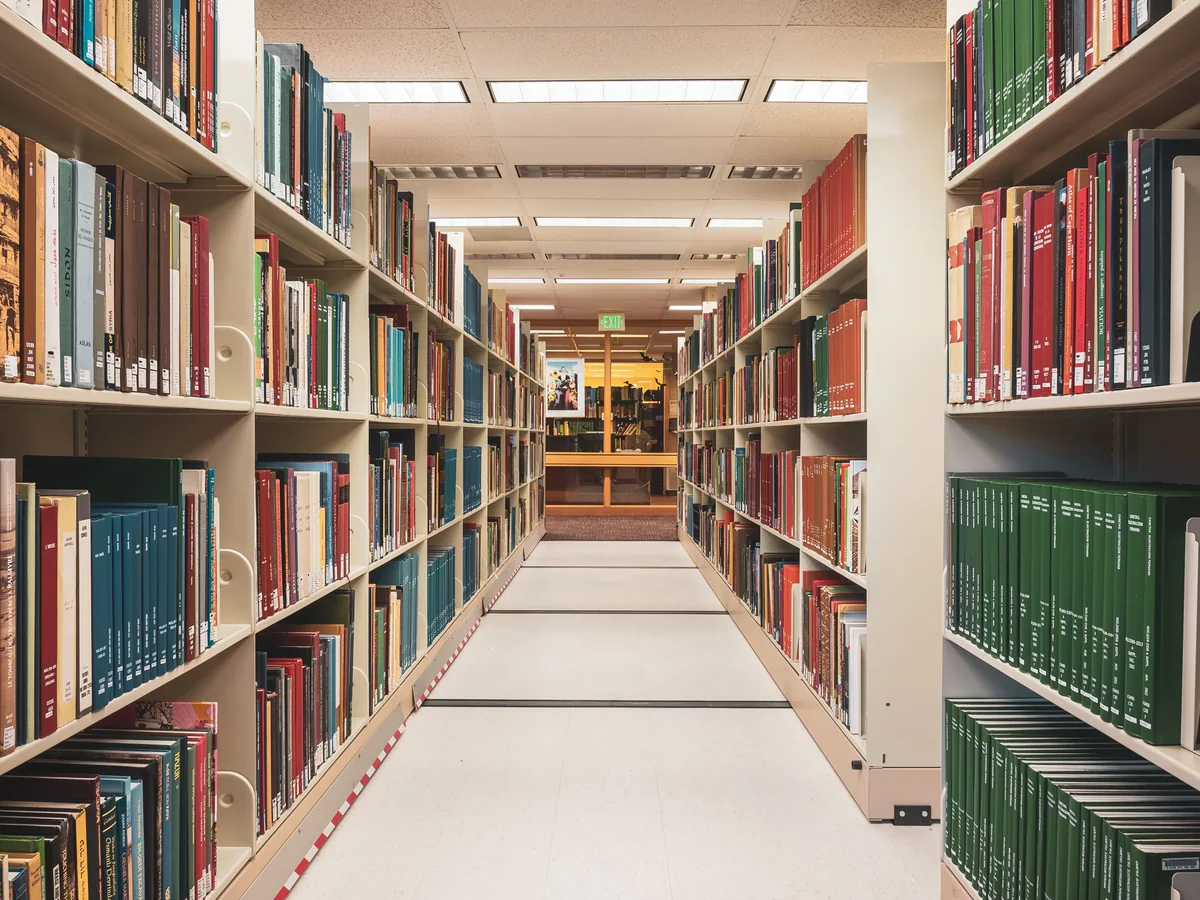
Shelving sized to library stock, with spans that will not deflect and heights suited to the age group using them.
Science and Art Room Casework
Chemical-resistant surfaces, dedicated storage, and specialist provision that varies considerably by subject.
Administrative and Reception Millwork
Front-of-house casework with secure records storage and an accessible transaction section.
Classroom Features and Safety Detailing
Impact-Resistant Edges
Heavy edge banding at every exposed corner, because school traffic finds every edge repeatedly.
Rounded and Eased Corners
No sharp arrises at student height, which is a basic safety requirement rather than a refinement.
Anti-Tip Anchoring
Every tall unit fixed into wall structure. Non-negotiable in a space full of children.
Soft-Close and Friction Hardware
Eliminating pinch points at doors and lids, particularly on cubby lids and bench seats.
Age-Appropriate Heights
Storage sized to the age group, since what works for a kindergarten classroom is wrong for a high school one.
Door, Cubby and Storage Options
Laminate Doors
The educational default: durable, cleanable, and available in the colour range schools use for wayfinding.
Open Cubbies
No doors, which is faster for young children and removes a pinch risk entirely.
Locking Storage
For teacher materials, chemicals in science rooms, and anything requiring controlled access.
Ventilated Locker Doors
Louvred or perforated where coats and bags go in wet, which in Kentucky is most of the winter.
Durable Materials and Finishes
High-pressure laminate over a substantial substrate is the standard, because it survives impact and cleans repeatedly without degrading. Thermally fused laminate works in lower-traffic areas. Edge banding thickness is the single most important durability specification in a school, more so than the panel itself, because that is where failure starts. Science rooms need chemical-resistant work surfaces, typically epoxy resin or a solid surface rated for the chemicals in use. Every finish has to tolerate the cleaning and disinfection regime schools run.
Educational Design Directions
Bright Elementary
Colour used for wayfinding and identification, at heights suited to young children, with everything rounded and anchored.
Neutral Secondary
Harder-wearing neutral finishes for older students, with more locking storage and adult-height provision.
Library and Media Centre
Shelving and display designed around browsing sightlines as much as around capacity.
Specialist Rooms
Science, art, and technology rooms configured around the specific activity, which differ substantially from a general classroom.
Educational Casework for Lexington Learning Spaces
Educational projects around Lexington include older classrooms being updated as well as newer instructional and community spaces. Existing rooms can have masonry walls, fixed utilities, radiator or HVAC conflicts, and storage that was never sized for current class materials. We field-verify those conditions before fabrication and coordinate anchoring and clearances with the facility team.
The cabinetry itself changes with the users. Early-learning cubbies, art storage, science casework, teacher cabinets, and general classroom storage need different heights, hardware, work surfaces, and durability. We build the room around the age group and program rather than applying one institutional cabinet spec everywhere.
Before We Build Your School Casework
School projects live or die on the install window, which is fixed and short. Before building we confirm:
- The install window, which is almost always a summer or scheduled break
- Age group using each space, which sets heights and storage sizing
- Class sizes, which determine cubby and locker counts
- Wall construction for anchoring, since every tall unit must fix into structure
- Specialist requirements in science, art, and technology rooms
- District or facility standards the casework must meet, which vary by authority
How Your School Project Works
Survey and requirements
We survey the spaces and establish age groups, class sizes, and any district standards before designing.
Drawings and specification
Shop drawings plus written specification of substrates, edge banding, and hardware, suitable for district approval.
Field verify
Dimensions, wall construction, and services confirmed well before the install window, since there is no room to discover problems in summer.
Build and install in the break
Built off site during term and installed within the scheduled break, so rooms are ready for the first day back.
Common questions
School Cabinetry FAQs
What makes casework durable enough for a school?
Does classroom furniture need anchoring?
Can you install during the school year?
What surfaces work in a science room?
How do you size storage for different age groups?
Get a quote on school casework
Tell us the rooms, the age groups, and your install window. The break schedule drives the entire timeline.